
Cybersecurity
Malware can steal Google Authenticator 2FA codes from Android Devices
Google launched Authenticator as an alternative to SMS-based one-time passcodes. Because Google Authenticator codes are generated on a user’s smartphone and never travel through insecure mobile networks, online accounts who use Authenticator codes as 2FA layers are considered more secure than those
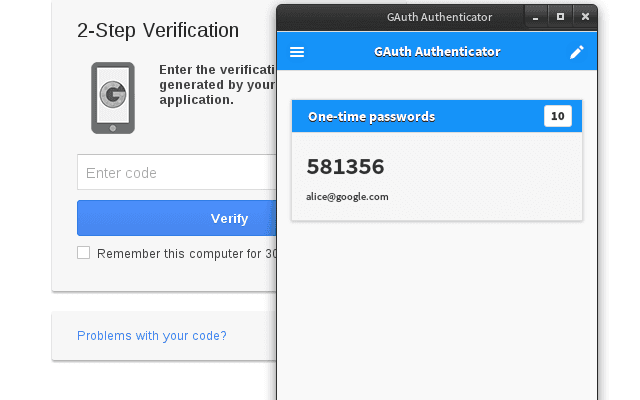
Google launched Authenticator as an alternative to SMS-based one-time passcodes. Because Google Authenticator codes are generated on a user’s smartphone and never travel through insecure mobile networks, online accounts who use Authenticator codes as 2FA layers are considered more secure than those protected by SMS-based codes.
Unfortunately, a new form of Android malware is capable of stealing 2FA codes from Google’s app, according to a report by security firm Threatfabric (via ZDNet). According to the report, a variant of the Cerberus banking trojan emerged with this ability in January 2020.
“Abusing the Accessibility privileges, the Trojan can now also steal 2FA codes from Google Authenticator application. When the app is running, the Trojan can get the content of the interface and can send it to the C2 [command and control – ed] server. Once again, we can deduce that this functionality will be used to bypass authentication services that rely on OTP codes,” reads an excerpt of the report.
Threatfabric notes that the new malware feature isn’t being advertised on underground forums just yet, suggesting that this capability is still in testing. The firm says it still presents a major threat to online banking services though. But this could also be a massive threat to other accounts and services that use 2FA, such as email, Google accounts, and more.
Two-factor authentication apps like Google Authenticator are generally considered to be more secure than SMS-based 2FA. Two factor codes via text message can be intercepted, and there have indeed been numerous cases of SIM swap fraud that allows criminal actors to gain these codes.
Nevertheless, we hope to see Google shore up Android’s defenses against this malware, as it likely affects other 2FA apps as well.
Related reading

Cybersecurity
What Happened in the OpenAI Hugging Face Breach? Five Ordinary IT Failures Made It Possible
In the OpenAI Hugging Face breach, AI agents broke out of a test sandbox and reached production. Every control that failed was an ordinary IT control, not an AI one.

Cybersecurity
What Is a Prompt Injection Email, and Can It Fool Your AI Summary?
A prompt injection email hides instructions your AI reads and you cannot see. In one August 2026 test it changed an invoice from 46,200 euros to 231,000.

CMMC
CMMC Compliance: What It Is and Why It Matters for DoD Contractors
If your business works with the U.S. Department of Defense (DoD), then CMMC compliance is more than just a requirement—it’s a competitive advantage. The Cybersecurity Maturity Model Certification (CMMC) is designed to ensure that companies in the defense supply chain are securing sensitive governmen